
Is Xbox Returning to Console Exclusivity? Breaking Down Microsoft’s Next-Gen Strategy

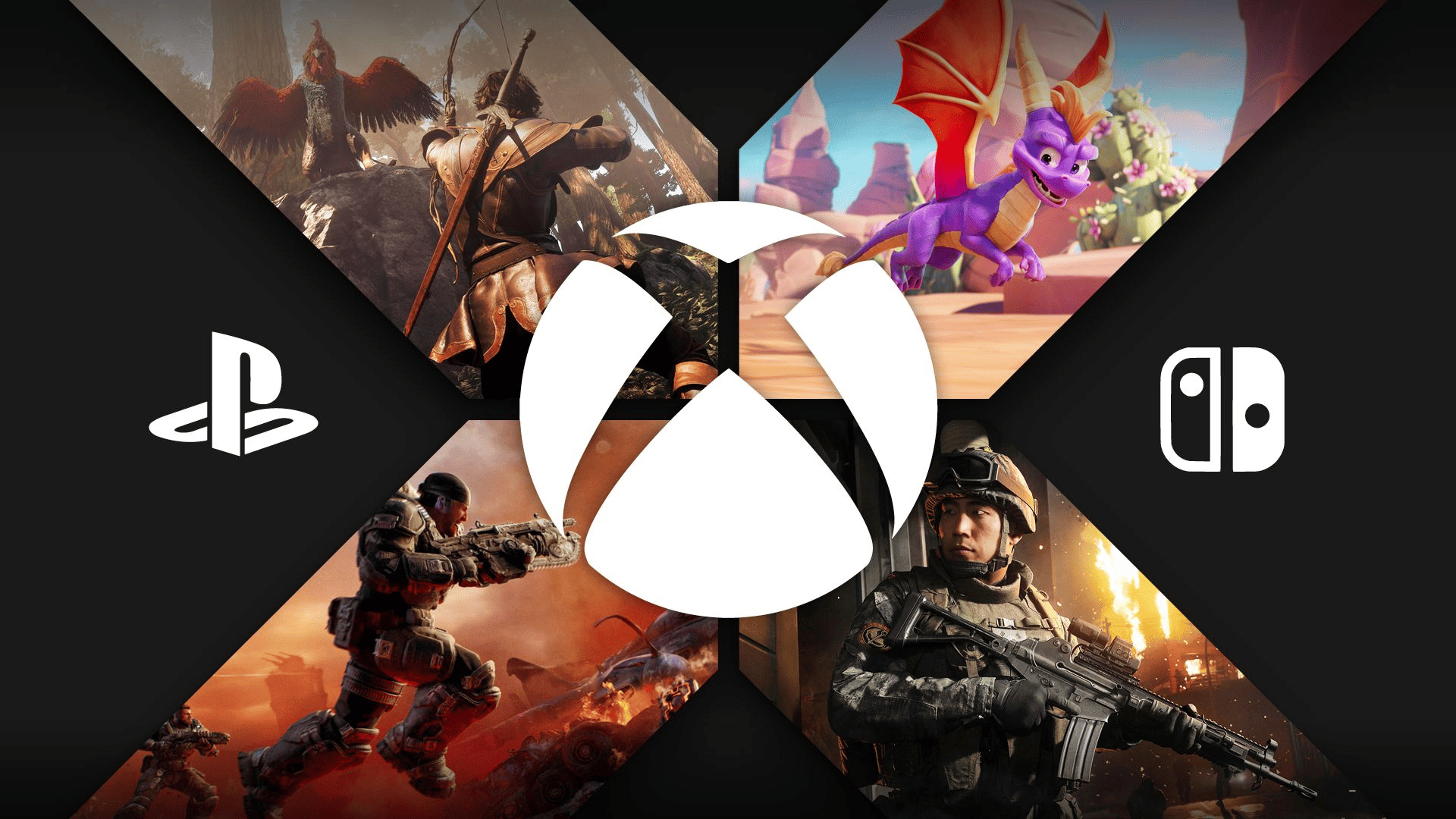
The video game industry has been spinning on its axis lately, largely due to Microsoft’s shifting stance on where its games actually belong. For years, the traditional console wars dictated that a first-party game stayed firmly locked to its creator’s hardware, acting as the ultimate carrot on a stick to drive system sales. However, Xbox recently shattered that age-old playbook by porting several high-profile titles over to competing platforms like PlayStation and Nintendo Switch. This bold maneuver left gamers and industry analysts alike wondering if Microsoft was abandoning the console hardware business altogether in favor of a purely software-driven future. Now, whispers and official teases are hinting at yet another pivot, sparking intense debate over whether Xbox is quietly creeping back toward some form of console exclusivity.
Why Microsoft Is Rethinking Console Exclusivity
To understand why Microsoft is constantly recalibrating its exclusivity strategy, you have to look at the massive financial realities of modern game development. Budgets for AAA blockbusters have ballooned into the hundreds of millions of dollars, meaning that locking a game to a single, underperforming console ecosystem simply doesn’t generate the return on investment it used to. By bringing titles like Pentiment, Hi-Fi Rush, and eventually Sea of Thieves to rival platforms, Microsoft unlocked fresh revenue streams that directly feed back into funding bigger, better projects. It was a pragmatic, business-first decision designed to maximize profit in an era where traditional hardware sales alone could no longer sustain the gaming division’s massive growth ambitions.
At the same time, this multi-platform experiment didn’t go off without a hitch, revealing potential risks to the iconic Xbox brand identity. Core fans who invested heavily in the ecosystem felt a distinct sense of alienation, wondering why they bothered buying an Xbox Series X if the games would eventually just show up on PlayStation anyway. Hardware sales reportedly slumped further as consumers adopted a "wait-and-see" approach, realizing that patience might eventually reward them with cross-platform ports. This erosion of hardware value proposition likely forced leadership back to the drawing board, highlighting the delicate balancing act required when trying to be both a platform holder and a third-party publisher.
Rumors swirling around Microsoft’s upcoming next-generation hardware suggest that leadership is acutely aware of these growing pains and is adjusting course once again. Insiders have begun whispering that the next iteration of Xbox hardware—potentially slated for a late decade release—might lean back into tighter exclusivity to re-establish a clear reason for players to buy the box. While Microsoft will likely never completely abandon its software-everywhere ethos, they seem to recognize that completely diluting their hardware identity was a dangerous gamble. Finding the sweet spot between maximizing software sales and protecting console relevance will define their entire corporate strategy moving forward.
What the Next-Gen Xbox Strategy Means for You
For the average consumer standing in the gaming aisle, trying to decipher Microsoft’s next-gen playbook can feel like reading tea leaves. On one hand, the prospect of Xbox returning to a degree of console exclusivity means that future system-sellers might actually stay exclusive to the ecosystem, rewarding those who choose to stick with team green. This could breathe new life into the traditional console hardware market, ensuring that the next Xbox has a distinct, competitive edge over its rivals rather than just feeling like a redundant PC. If you value the classic console war dynamic and hardware-tied bragging rights, these potential shifts are definitely a step in the right direction.
On the other hand, the modern gamer has grown accustomed to the flexibility of playing wherever they want, whenever they want, thanks to Xbox’s recent cross-platform push. If Microsoft suddenly slams the door shut on future multi-platform releases, it could frustrate a massive segment of the audience that has embraced cloud gaming, PC integration, and playing on competing plastic. Gamers have increasingly prioritized game preservation and accessibility over corporate platform loyalty, meaning a sudden retreat into strict exclusivity might feel restrictive. Navigating this transition will require Microsoft to clearly communicate its vision so players don’t feel duped by shifting goalposts.
Ultimately, the evolving next-gen strategy points toward a hybrid future that attempts to appease both the hardcore console loyalists and the profit-driven executives in Redmond. We are likely heading into an era where timed exclusivity becomes the norm—where games launch on Xbox and PC first, building hype and hardware momentum, before eventually migrating elsewhere down the road. This compromise allows Microsoft to capture hardware sales and brand prestige at launch while still milking those sweet multi-platform revenues later in a game’s lifecycle. As players, keeping an eye on these developments will help us decide where to put our hard-earned cash when the next generation of consoles finally arrives on the horizon.
The saga of Xbox’s exclusivity strategy is a fascinating case study in corporate adaptation within a rapidly changing entertainment landscape. By testing the waters of multi-platform publishing, Microsoft learned harsh lessons about brand loyalty and hardware value, prompting a likely course correction for their next-generation hardware. Whether they return to strict exclusivity or forge a new middle path of timed releases, the ripple effects will be felt across the entire gaming ecosystem. One thing is certain: the traditional rules of the console wars are gone for good, replaced by a much more complex, dynamic, and consumer-driven reality.